-
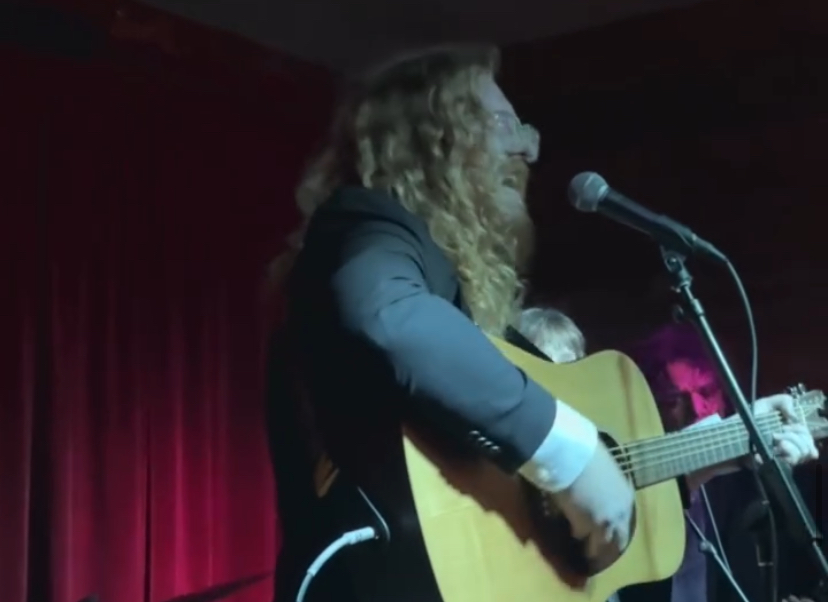
“The album got me sober,” Henry said. “It kind of became a concept album about grief. A lot of the songs are like a conversation between the two of us.”
-
“This is the work of me staying up all night and going insane and losing sleep,” Filler said,” but there’s no price for good art. It’s a sacrifice.”
-
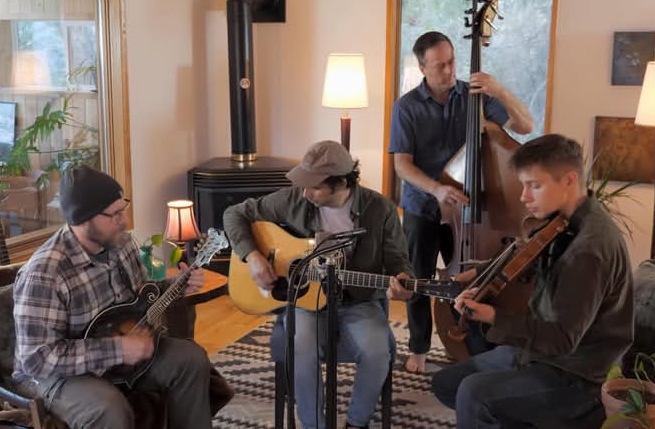
“My musical tastes really started to shift away from what I was being presented culturally as a teenager into stuff that resonated more deeply,” Stone said.
-
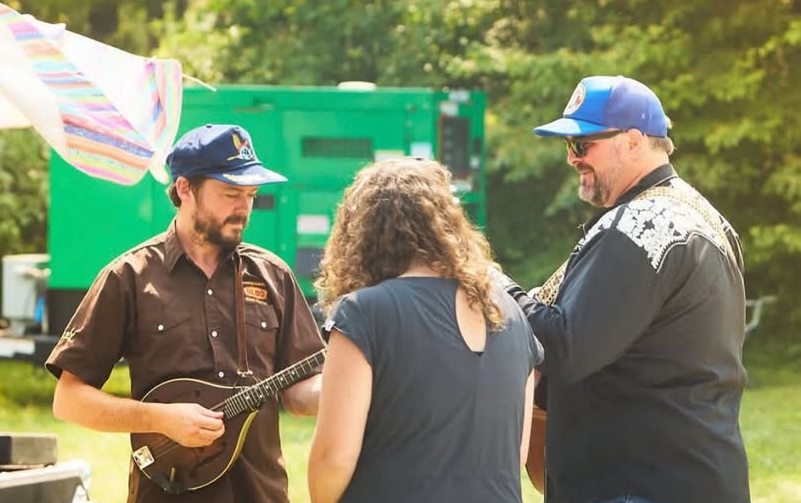
“That’s really the best part of this kind of music is it’s such a community thing,” Faulkner said. “Anybody can sit down and jump in and even just sing along.”
-
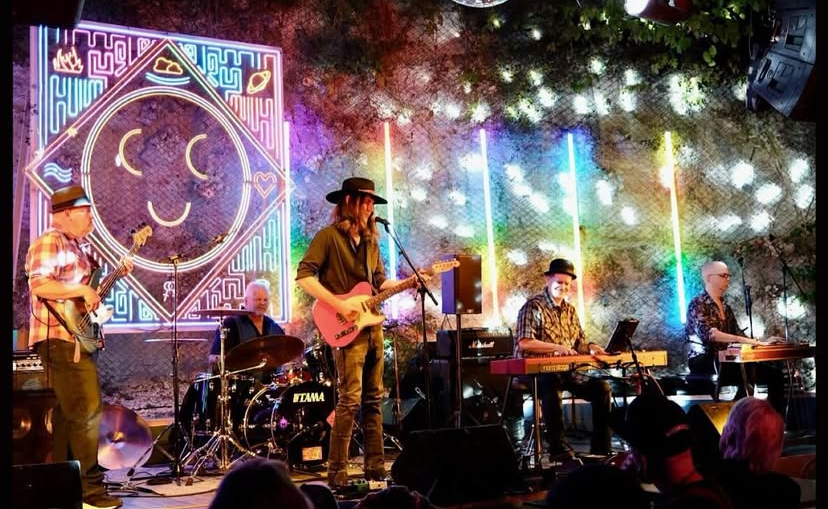
“I’m glad that I’ve never stopped,” Hanners said, “and it sounds obvious and dumb to say that, but it’s so easy for life to pull you away from the things that are your creative outlet. It’s been a good feeling to start to hit the release button on these tracks.”
-
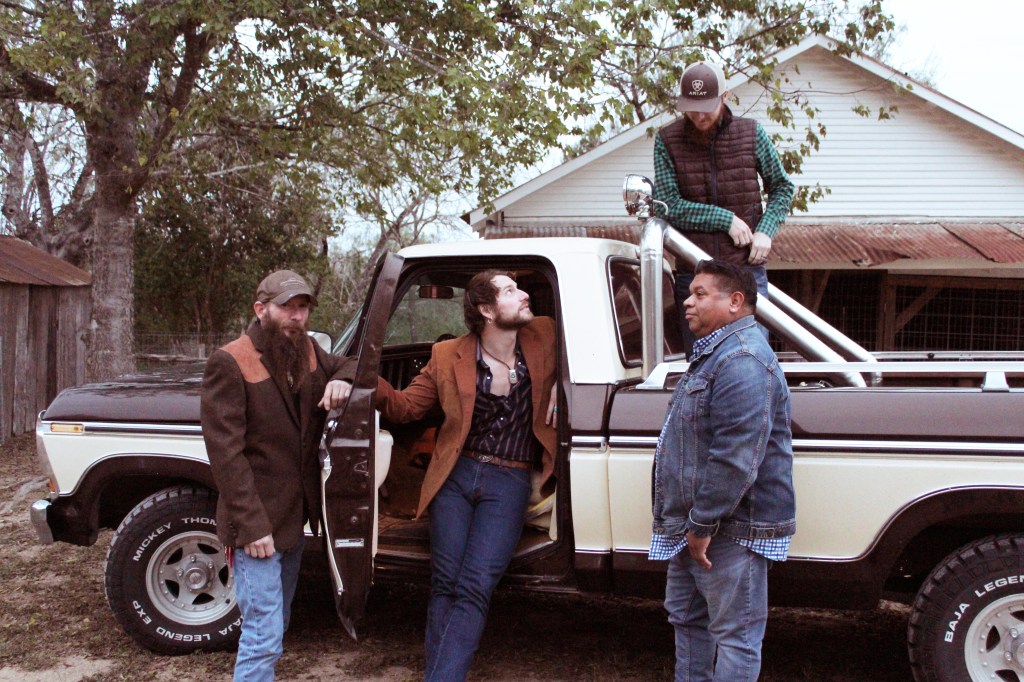
“It was sort of a warning to me at the time,” Campbell said. “He was like ‘go to school because these factory jobs that everybody grew up doing don’t really exist anymore.’”
-
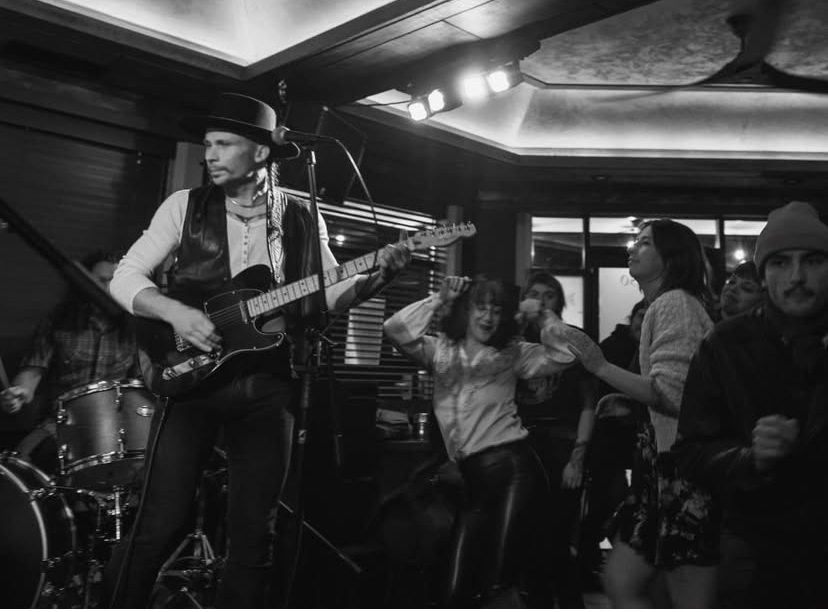
“Hitchhiking was a great place to see that,” Mercier said. “Just everything I needed was provided for me, and sometimes it felt like miraculous ways.”
-

“There comes a point in every journey where the leaving turns into coming to the next place,” Webb said. “You’re leaving Terlingua, but once you kind of shift gears in your mind, then your going to New York, or going to Austin.”
-
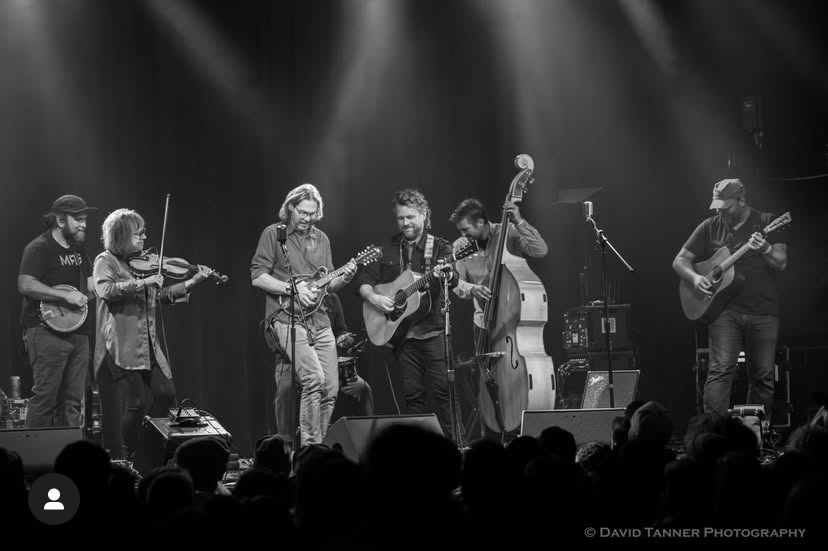
“It’s something I feel very strongly about right now in the divisive world we live in today,” Lenz says. “It’s an anthem about overcoming adversity and looking at the world in a new light as a new day dawns.”
-

“I think about being a young musician and imagining like all these things that you want to do and that was the exact kind of thing I always dreamt of doing,” Kerl said. “Getting together with these people who I really admired and looked up to and just like camping out in the studio for…
Song of the Day
1–2 minutes
 Quality Americana